Web cookies (also called HTTP cookies, browser cookies, or simply cookies) are small pieces of data that websites store on your device (computer, phone, etc.) through your web browser. They are used to remember information about you and your interactions with the site.
Session Management:
Keeping you logged in
Remembering items in a shopping cart
Saving language or theme preferences
Personalization:
Tailoring content or ads based on your previous activity
Tracking & Analytics:
Monitoring browsing behavior for analytics or marketing purposes
Session Cookies:
Temporary; deleted when you close your browser
Used for things like keeping you logged in during a single session
Persistent Cookies:
Stored on your device until they expire or are manually deleted
Used for remembering login credentials, settings, etc.
First-Party Cookies:
Set by the website you're visiting directly
Third-Party Cookies:
Set by other domains (usually advertisers) embedded in the website
Commonly used for tracking across multiple sites
Authentication cookies are a special type of web cookie used to identify and verify a user after they log in to a website or web application.
Once you log in to a site, the server creates an authentication cookie and sends it to your browser. This cookie:
Proves to the website that you're logged in
Prevents you from having to log in again on every page you visit
Can persist across sessions if you select "Remember me"
Typically, it contains:
A unique session ID (not your actual password)
Optional metadata (e.g., expiration time, security flags)
Analytics cookies are cookies used to collect data about how visitors interact with a website. Their primary purpose is to help website owners understand and improve user experience by analyzing things like:
How users navigate the site
Which pages are most/least visited
How long users stay on each page
What device, browser, or location the user is from
Some examples of data analytics cookies may collect:
Page views and time spent on pages
Click paths (how users move from page to page)
Bounce rate (users who leave without interacting)
User demographics (location, language, device)
Referring websites (how users arrived at the site)
Here’s how you can disable cookies in common browsers:
Open Chrome and click the three vertical dots in the top-right corner.
Go to Settings > Privacy and security > Cookies and other site data.
Choose your preferred option:
Block all cookies (not recommended, can break most websites).
Block third-party cookies (can block ads and tracking cookies).
Open Firefox and click the three horizontal lines in the top-right corner.
Go to Settings > Privacy & Security.
Under the Enhanced Tracking Protection section, choose Strict to block most cookies or Custom to manually choose which cookies to block.
Open Safari and click Safari in the top-left corner of the screen.
Go to Preferences > Privacy.
Check Block all cookies to stop all cookies, or select options to block third-party cookies.
Open Edge and click the three horizontal dots in the top-right corner.
Go to Settings > Privacy, search, and services > Cookies and site permissions.
Select your cookie settings from there, including blocking all cookies or blocking third-party cookies.
For Safari on iOS: Go to Settings > Safari > Privacy & Security > Block All Cookies.
For Chrome on Android: Open the app, tap the three dots, go to Settings > Privacy and security > Cookies.
Disabling cookies can make your online experience more difficult. Some websites may not load properly, or you may be logged out frequently. Also, certain features may not work as expected.

What is it?
The Let's Talk: Mental Health Office Hours program provides informal, confidential consultation with therapists from SHaW. Services are free of charge and offered on a first come, first served basis and are about 15-20 minutes. More info like dates, time and location can be found below.
Clinicians provide support, coaching, and connect students to other campus resources as needed. Although therapists provide this service, it is not a substitute for formal counseling. The Let's Talk: Mental Health Office Hours program is also not suited to treat mental health emergencies; students who are experiencing a mental health crisis should see Crisis Support or Immediate Support Resources.
Who is it for?
Students who may benefit from attending a Let's Talk: Mental Health Office Hours session include:
How is this program beneficial?
Let's Talk: Mental Health Office Hours creates space for students to seek immediate support for non-crisis concerns. By doing so, we support students in need before they reach the level of crisis. Furthermore, Let's Talk contributes to our social justice mission by reducing barriers to mental health services for student populations who are less likely to seek formal mental health treatment.
*The Let's Talk & Consultation service is inspired by Cornell University’s Let’s Talk program.
| Office Hours: | Provider: | Open to: |
|
Location: Student Union at the Student Activities Office room 307
Time: 10:30 am to 11:45 am |
All undergraduate and graduate students. |

| Location: SHaW Hilda May Williams
Time: 2 pm to 3 pm |
All undergraduate and graduate students. |

| Office Hours: | Provider: | Open to: |
|
Location: Student Union at the Student Activities Office room 307
Time: 10:30 am to 11:45 am |
All undergraduate and graduate students. |
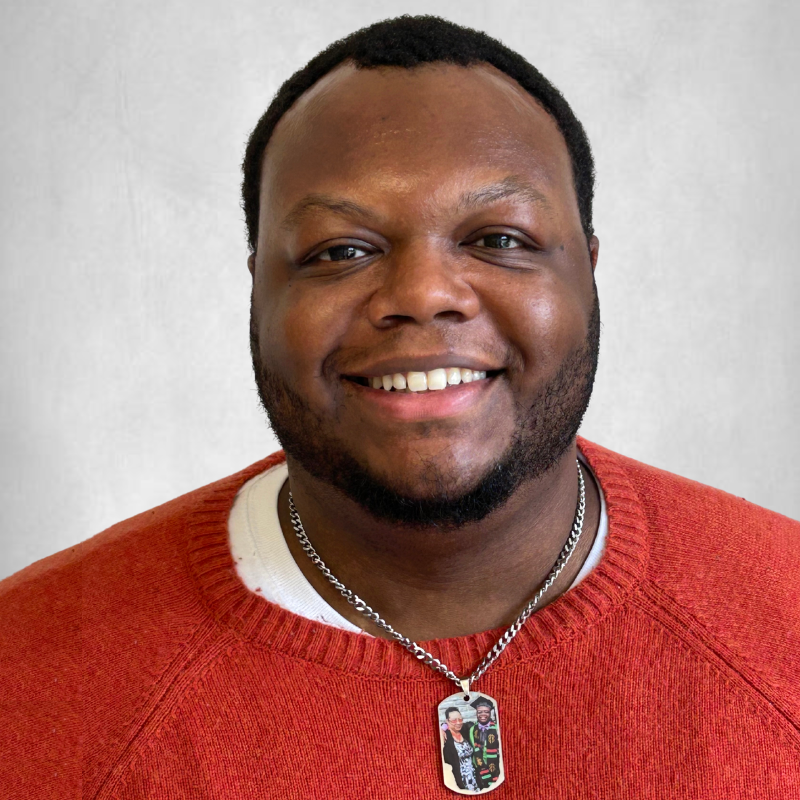
| UPDATE: Monday April 20th
Location: SU: PRLAC RM 445 Time: 1 - 2 pm |
|
All undergraduate and graduate students. |
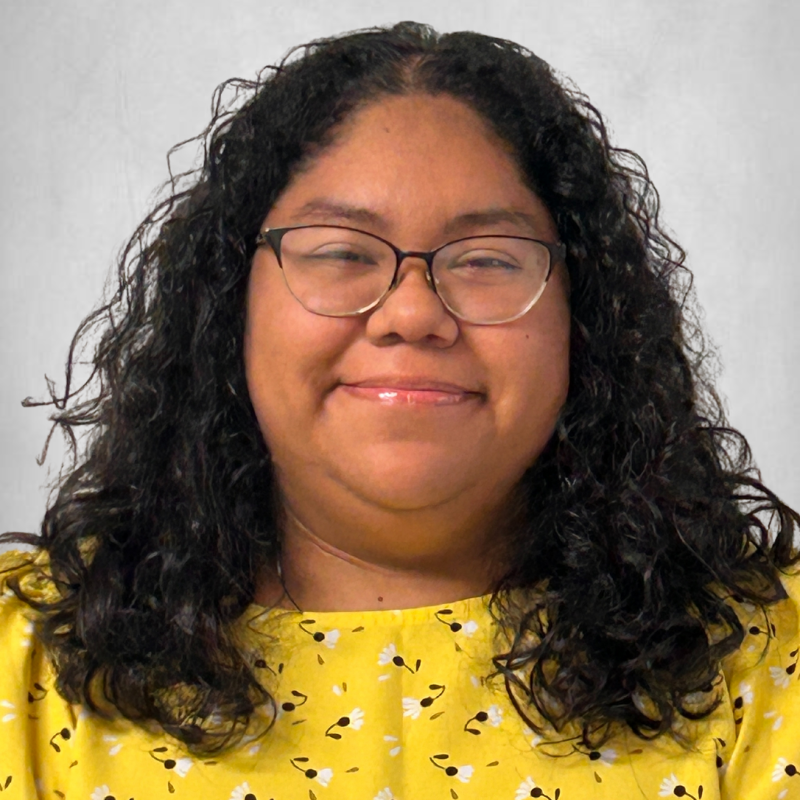
| UPDATE:
Location: African American Cultural Center (AACC) room 408C Time: 1:30 pm to 4 pm |
All undergraduate and graduate students. |
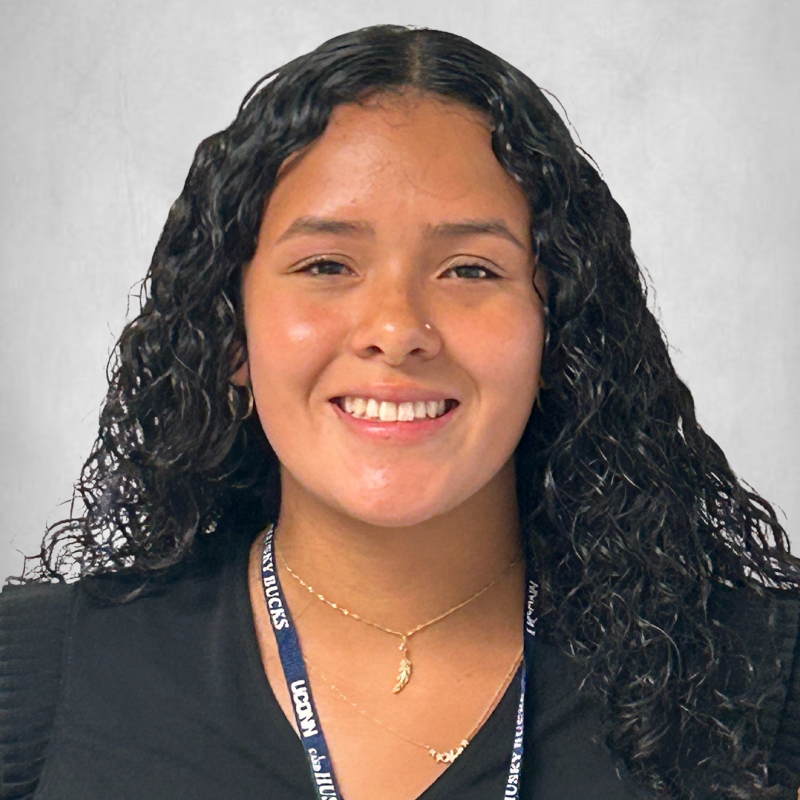
| Office Hours: | Provider: | Open to: |
| Location: Wilbur Cross room 110
Time: 1:15 pm to 2:15 pm |
All undergraduate and graduate students. | |

|
Location: Asian American Cultural Center, located in the SU room 431
Time: 1:30 pm - 2:45 pm |
|
All undergraduate and graduate students. |

| Office Hours: | Provider: | Open to: |
| Location: Wilbur Cross room 110
Time: 1:15 pm to 2:15 pm |
All undergraduate and graduate students. | |
|
Location: Asian American Cultural Center, located in the SU room 431
Time: 1:30 pm - 2:45 pm |
|
All undergraduate and graduate students. |
| UPDATE:
Location: African American Cultural Center (AACC) room 408C Time: 4:30 pm - 6 pm |
Daveon McMullen, Psy.D
|
All undergraduate and graduate students. |
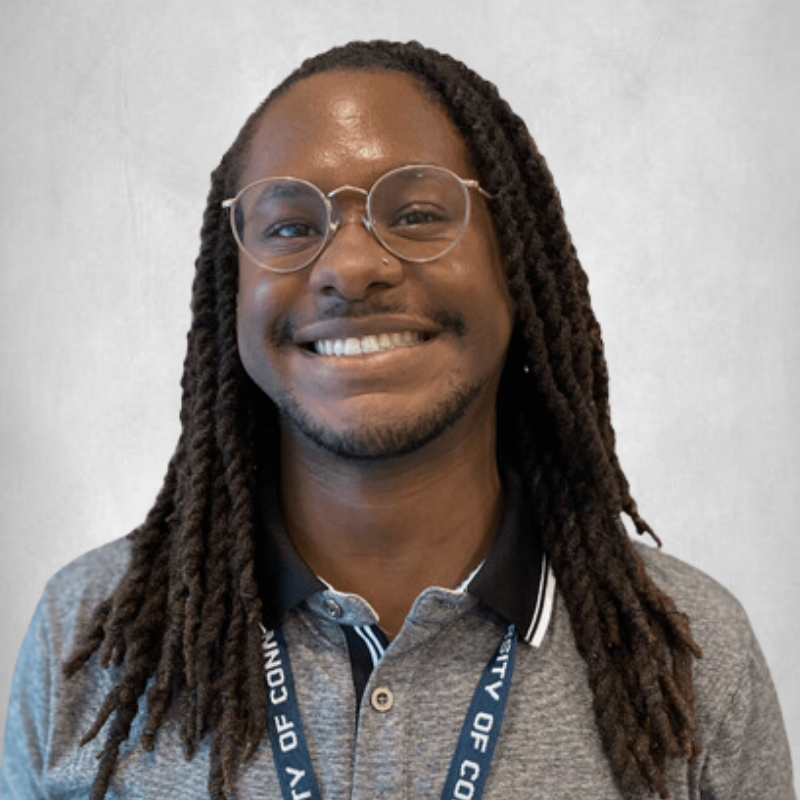
| Office Hours: | Provider: | Open to: |
|
Location: Virtual
Time: 1:30 pm - 2:30 pm
Schedule an appointment by calling 860-486-4700 |
All undergraduate and graduate students. |

| Office Hours: | Provider: | Open to: |
| Location: Student Union room 410
Time: 9 am to 10:30 am |
All undergraduate and graduate students. | |
|
Location: Rainbow Center
Time: 1:15 pm - 2:15 pm |
|
All undergraduate and graduate students. |
| Office Hours: | Provider: | Open to: |
|
Location: SHaW Arjona 4th Floor Time: 11 am to 12 pm |
Providers rotate weekly! Check out more of our mental health providers. |
All undergraduate and graduate students. |
| Location: Center for International Student & Scholar
Time: 1:15 pm - 2:15 pm |
|
All undergraduate and graduate students. |
| Office Hours: | Provider: | Open to: |
|
Location: SHaW Arjona 4th Floor
Time: 12 - 1:30 pm |
Samantha Morris, PsyD![]() |
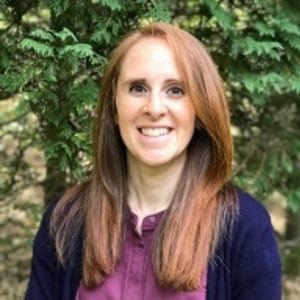
All NCAA Student-Athletes |
| Office Hours: | Provider: | Open to: |
|
Location: Fieldhouse room 44
Time: 9 - 10:30 am |
All NCAA Student-Athletes |
| Office Hours: | Providers will rotate every week: | Open to: |
|
Location: Fieldhouse room 44
Time: 12 - 1:30 pm |
All NCAA Student-Athletes |
| Office Hours: | Provider: | Open to: |
|
Location: Fieldhouse room 44
Time: 4 pm - 5:30 pm |
|
All NCAA Student-Athletes |
| Office Hours: | Provider: | Open to: |
|
Location: Student Union room 416A
Time: 9:30 am - 11 am There will be no session with Caroline on November 16th |
All undergraduate and graduate students. |

|
|
Location: SHaW Hilda May Williams
Time: 1:15 pm to 2:15 pm |
All undergraduate and graduate students. |
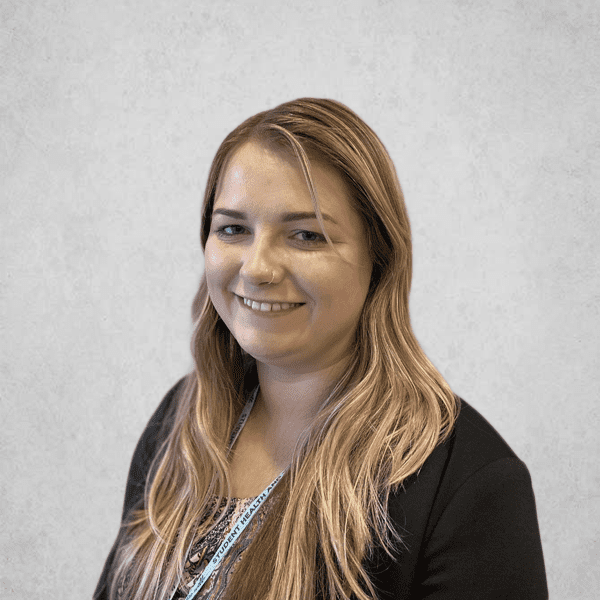
Let's Talk is a program that provides easy access to informal consultations with clinicians from SHaW. It is on a drop-in basis, or you can schedule an appointment online. There is no fee.
This service is open to all UConn undergraduate, graduate, and professional students. Let's Talk is the best fit for the following people:
Appointments are first-come, first-served and are about 15-20 minutes. Usually there is not much of a wait. Rarely, a clinician might be full during the Let’s Talk hours. If this is the case, we encourage you to try again the next day. The clinician will listen closely to your concerns and provide support, perspective, and suggestions for resources.
Clinicians at SHaW provide ongoing therapy, which usually consists of weekly or bi-weekly 45-50 minute appointments. Let's Talk is not formal therapy: it is a drop-in service where students can have an informal consultation with a clinician from time to time.
Absolutely. The Let's Talk clinician will talk through your issue with you and help you determine the best way to get help.
If you believe you need to be seen sooner than the appointment you were given, it's best to call SHaW directly (860-486-4700) and explain your situation.
Since regular counseling visits are not available at Let's Talk following up with the referral is a good idea. If you have any trouble with the referral, contact SHaW for assistance.
If your next appointment is not soon enough, it's best to contact your counselor directly to see if they can see you sooner. If it is an urgent situation or you would like to talk to someone same-day, call SHaW to connect with BeWell@UConn or an on-call clinician.
The best thing to do in this situation is to talk directly with your clinician. Clinicians are eager to get your feedback, positive or negative. Oftentimes an open conversation about your concern helps smooth out any wrinkles. If, after talking with your clinician, you prefer to transfer to someone else, just ask your clinician directly or call SHaW and request a change.
Although Let's Talk clinicians are professionals, Let's Talk is not a substitute for psychotherapy or formal counseling and does not constitute mental health treatment. Let's Talk clinicians provide these consultations to help students with specific problems and to introduce them to what it's like to speak with a therapist. Your Let's Talk clinician can help you determine whether formal therapy at SHaW would be useful for you and, if appropriate, assist you in scheduling an appointment.
Conversations with Let's Talk clinicians are confidential, with a few very rare exceptions. Clinicians may need to share information in an emergency when there is an immediate threat of harm to self or others. Clinicians are required by law to report when a minor, elderly person, or someone otherwise incapacitated and unable to act on their own behalf is being abused. Let's Talk clinicians keep brief written notes of their contacts with students, and in the event that there is an emergency, or a student is referred to SHaW, other staff may see that a student spoke with a Let’s Talk counselor.
Finally, these notes can be released in the unlikely event of a court order. Let's Talk visits are never noted on a student's official university record. We don't want anything to be a barrier to students accessing help. If you have further questions about confidentiality, we encourage you to discuss them with a Let's Talk counselor.
The Let’s Talk program at UConn is based in part of the Let’s Talk program at Cornell University. With permission, some of the material from this webpage has been duplicated from the Cornell Let’s Talk website.